

Introduction
Echo is a common problem in many environments, particularly in large, open spaces with hard surfaces. It can cause sound to bounce around the room, creating unwanted noise and reducing the clarity of speech or music. This is where the expertise of an Acoustic Design Specialist becomes invaluable. These specialists are trained to address issues related to sound, including the management and reduction of echo, helping to create acoustically balanced spaces.

Understanding Echo and Its Causes
Echo occurs when sound waves reflect off surfaces and return to the listener after a short delay. In spaces with reflective surfaces like glass, concrete, or metal, sound tends to bounce back, causing echoes that can disrupt conversations, presentations, or performances. An Acoustic Design Specialist works to identify the causes of echo within a specific space and offers solutions to minimize or eliminate it.
The severity of echo depends on several factors, such as the size and shape of the room, the materials used in its construction, and the type of sound being produced. By analyzing these elements, an Acoustic Design Specialist can recommend targeted strategies to control how sound behaves within the space.
How an Acoustic Design Specialist Addresses Echo Problems
An Acoustic Design Specialist plays a key role in designing environments that minimize echo, making them more comfortable and functional. Below are some of the key ways they help in reducing echo:
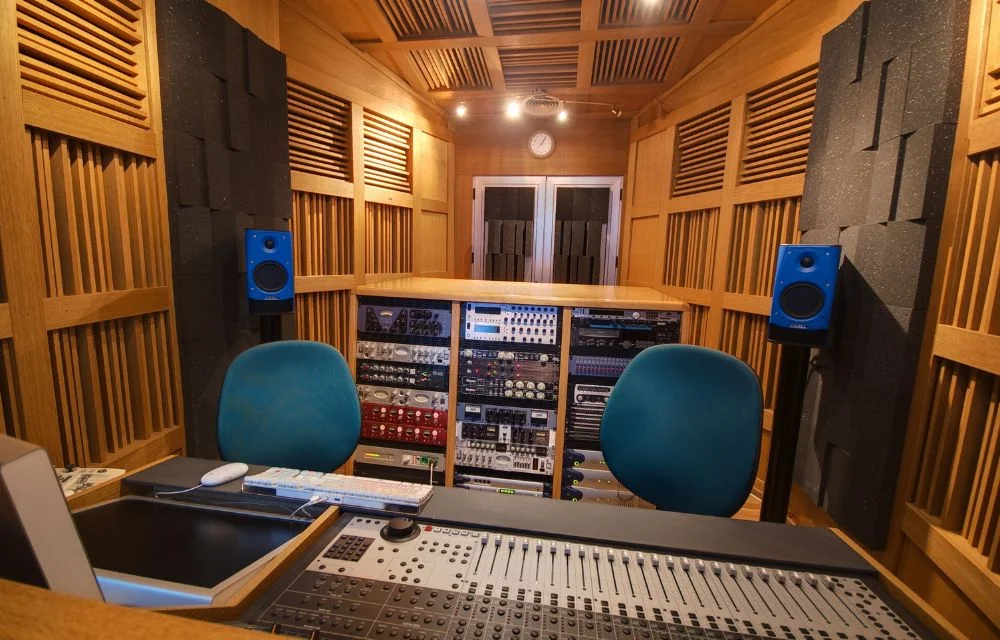
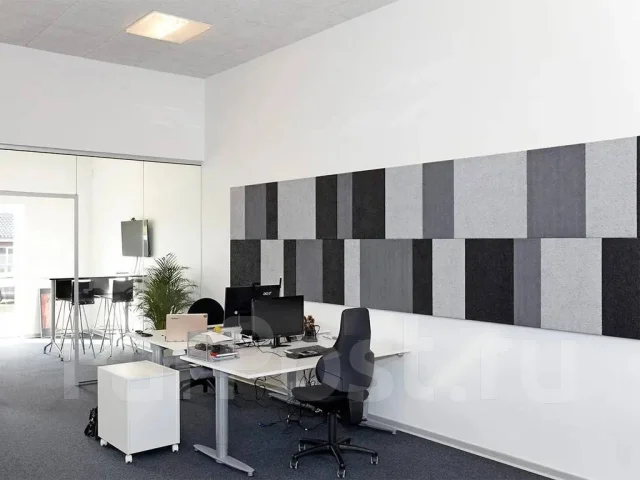
- Material Recommendations: One of the most effective ways an Acoustic Design Specialist reduces echo is by recommending materials that absorb sound instead of reflecting it. Soft materials like acoustic panels, carpets, and curtains can greatly reduce the amount of sound bouncing off walls and other surfaces. The specialist will identify where to place these materials to achieve optimal results.
- Room Shape and Layout Adjustments: The shape and layout of a room can contribute to echo problems. A large, open space with high ceilings, for example, may cause sound to travel long distances and reflect back. An Acoustic Design Specialist evaluates the room’s geometry and offers solutions such as modifying the shape of walls or adding partitions to break up the sound waves.
- Strategic Placement of Sound Absorbing Elements: To reduce echo, an Acoustic Design Specialist focuses on strategic placement of sound-absorbing elements. Acoustic panels, for instance, can be installed on walls or ceilings to trap sound and reduce reflections. In some cases, they may suggest adding rugs, furniture, or soundproofing curtains to help diffuse sound in specific areas.
- Optimizing Speaker and Sound Equipment Placement: In spaces where sound systems are used, an Acoustic Design Specialist may also offer advice on the placement of speakers and microphones. Correct placement of audio equipment can minimize sound reflection and improve overall acoustics, making it easier to control echo in large venues or performance spaces.
Conclusion
An Acoustic Design Specialist plays a critical role in reducing echo in various environments, whether it’s a large hall, office space, or residential area. By recommending sound-absorbing materials, adjusting room layouts, and strategically placing sound-absorbing elements, they create acoustically balanced spaces where sound is clear and echoes are minimized. For professional acoustic solutions that address echo and other sound-related issues, DBZ Acoustical Consultants offers expert guidance, ensuring your space achieves the perfect acoustic balance.


