

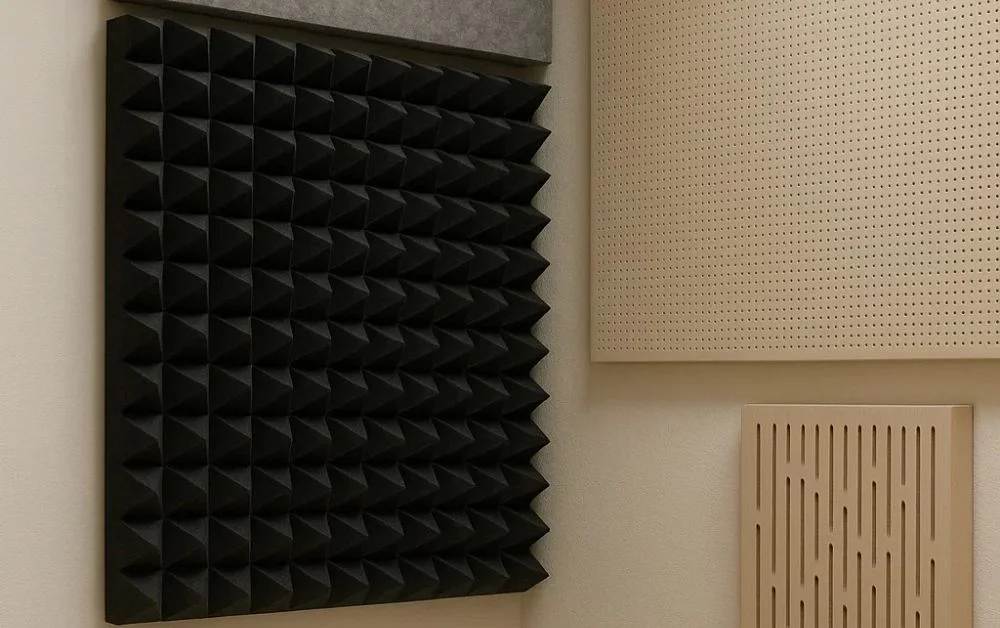
When planning a meeting space, music space, recording studio, or simply a general relaxation area, controlling sound is just as important as aesthetics. Echo and low audio quality can be distracting, irritating, and even unprofessional in some settings. Whether you’re designing a podcasting studio, enhancing a conference room, or simply looking to make your home quieter, soundproofing acoustic sheets are a strong solution. Specifically designed acoustic materials absorb and control sound waves, reducing echo and significantly improving the quality of audio in a given space.
In this blog, we’ll explore how soundproofing acoustic sheets work, their benefits, and how they contribute to better sound quality by eliminating echo.

Understanding Echo and Poor Audio Quality
To understand the role of soundproofing acoustic sheets, it’s essential first to understand what causes echo and poor audio clarity.
Echo occurs when sound waves rebound from hard surfaces, such as walls, ceilings, and floors, and return to the listener after a delay. In an untreated space, sound bounces back and forth multiple times, resulting in a disorienting and distorted sound environment. This is particularly bothersome in environments such as:
- Home theaters
- Podcast or music recording studios
- Offices and boardrooms
- Classrooms
- Restaurants or cafes
Poor sound quality can be caused by this uncontrolled reverberation, resulting in muffled talk, fuzzy recordings, and a general noisy atmosphere.
What Are Soundproofing Acoustic Sheets?
Soundproofing acoustic sheets are specially designed materials used to absorb, block, or dampen sound waves. The sheets are usually made from dense, porous materials like:
- Mineral wool
- Fiberglass
- Polyester fiber
- Acoustic foam
- Mass loaded vinyl (MLV)
They are designed to contend with mid to high-frequency sounds, the usual offenders of echo and reverberation in buildings. They differ from ordinary insulation or building materials in that they are also acoustically tested for performance and can be mounted on walls, ceilings, or even furniture to enhance the room’s acoustics.
How Soundproofing Acoustic Sheets Eliminate Echo
Echo is produced by sound reflecting back and forth in a room. Soundproofing acoustic sheets absorb sound waves before they have a chance to bounce. Here’s the way they efficiently remove echo:
1. Sound Absorption
The acoustic sheet’s porous nature captures the energy of sound, transforming it into a little bit of heat. This prevents sound waves from traveling back and forth across hard surfaces, which is the primary source of echo.
2. Decreasing Reverberation Time
Reverberation time refers to the duration it takes for sound to dissipate in a room. In untreated rooms, this process takes longer, resulting in overlapping sounds and poor clarity. Acoustic sheets minimize this time, resulting in cleaner, more precise sound.
3. Targeting Problem Frequencies
Various materials respond to multiple frequencies. By positioning soundproofing acoustic sheets strategically, you can focus on problem frequencies (typically mid- and high-frequency ranges that distort speech, making it unclear) and minimize the echo effect.
4. Tailored Coverage
The sheets are available in different sizes and thicknesses. Whether you are covering entire walls or just critical reflective areas, you can tailor coverage to your specific acoustic requirements for your space.
Enhancing Audio Quality with Acoustic Sheets
Removing echo naturally enhances sound quality, but soundproofing acoustic sheets enhances sound clarity beyond the removal of echo.
1. Improved Speech Intelligibility
In classrooms, meeting rooms, and home offices, clear communication is a must. Acoustic sheets reduce ambient noise and reverberation, making speech more understandable even at lower volumes.
2. Improved Music and Recording Quality
For artists and content producers, runaway acoustics can destroy an otherwise flawless performance. Acoustic sheets facilitate a controlled sound environment by dampening unwanted reflections, delivering clean, studio-quality sound.
3. Less Background Noise
By minimizing reflected sound, acoustic sheets also minimize overall ambient noise, making environments feel quieter and more pleasant. This is particularly useful in restaurants, cafes, and open-plan offices.
4. Better Audio Equipment Performance
With less acoustic reflection, speakers, microphones, and audio systems work more effectively. You hear a more precise audio representation, which is particularly useful in sound editing, mixing, or high-end entertainment installations.
Practical Uses of Soundproofing Acoustic Sheets
Soundproofing acoustic sheets are handy for most environments:
- Home Studios: A must for music recording, voice-overs, or podcast recording without outside noise or echo interference.
- Commercial Offices: Enhance speech clarity and minimize distractions during meetings or calls.
- Classrooms and Training Centers: Enhance focus and comprehension by reducing auditory distractions.
- Hospitality Spaces: Create a calm ambiance by lowering noise levels in restaurants, hotels, and lounges.
- Home Theaters: Ensure immersive audio experiences with reduced sound distortion.
Choosing the Right Acoustic Sheets
When selecting soundproofing acoustic sheets, consider the following:
- Material Type: Foam, polyester, or MLV, based on whether you are looking for echo or sound blocking.
- NRC Rating: The Noise Reduction Coefficient (NRC) measures the amount of sound a material absorbs. Better echo reduction is achieved with higher NRC ratings (0.7–1.0).
- Installation Flexibility: Certain sheets have adhesive backing or can be clipped in and are easy to DIY install.
- Aesthetic Options: A wide variety of acoustic sheets is available in different colors and textures to suit various interior designs.

Conclusion
Echo and poor sound quality can spoil the experience of any room, whether it’s a home studio, office, classroom, or lounge. Fortunately, soundproofing acoustic sheets are an efficient, low-cost, and versatile solution for these issues. By absorbing sound reflections and minimizing reverberation, they eliminate echo and enhance overall sound clarity.
Whether you’re a professional audio engineer or a homeowner looking to minimize noise and enhance acoustic comfort, purchasing soundproofing acoustic sheets can transform the way you experience your space. With proper installation, you’ll have enhanced communication, improved recordings, and a quieter, more pleasant space.


