

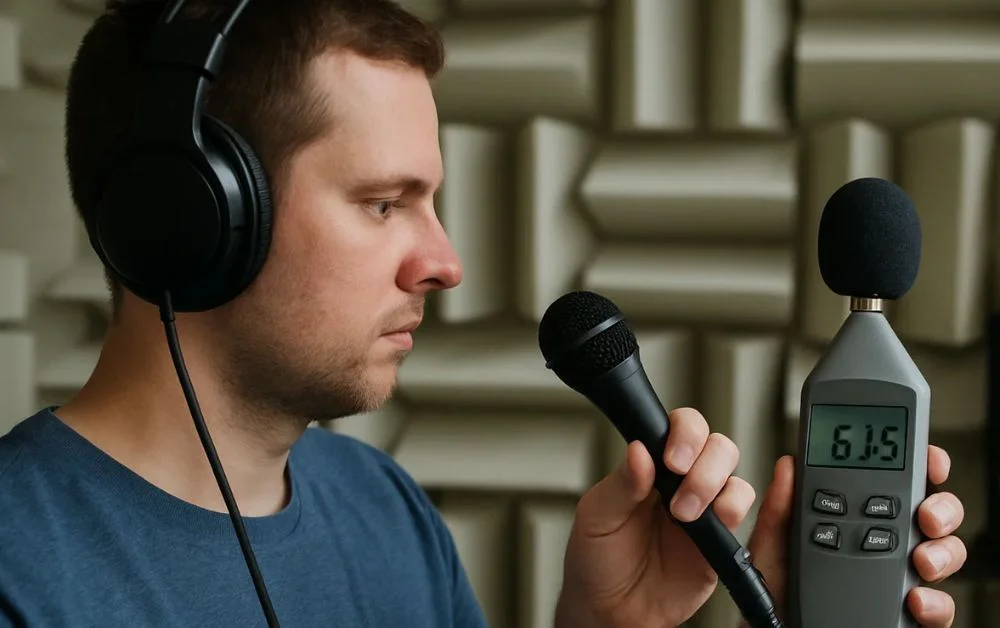
In today’s technology-driven world, consumer electronics and smart devices are central to daily life. From smartphones and wireless earbuds to smart speakers and wearable gadgets, the demand for superior audio performance has never been higher. Poor sound quality can lead to customer dissatisfaction, product returns, and loss of brand reputation. To ensure premium audio experiences, manufacturers rely on Sound Testing UAE, a process that meticulously evaluates, measures, and optimizes sound performance across devices.

Understanding Sound Quality Testing
Sound quality testing involves analyzing how audio behaves in a device under various conditions. It examines multiple parameters, such as frequency response, distortion, loudness, and clarity, to guarantee that the product delivers consistent and enjoyable sound.
For smart devices, sound quality testing is particularly crucial because these gadgets often combine speakers, microphones, voice assistants, and connectivity features. Any flaws in audio performance can compromise usability and the overall user experience. Sound Testing UAE provides manufacturers with the data needed to refine their products, ensuring that consumers receive high-quality, reliable devices.
Key Components of Sound Quality Testing
Several critical tests are performed during sound quality evaluation:
1. Frequency Response Analysis
Frequency response testing determines how accurately a device reproduces sound across the audible spectrum, typically from 20 Hz to 20 kHz. Imbalances in frequency can make audio sound tinny, muffled, or harsh. By measuring and adjusting frequency output, engineers ensure that smart devices and consumer electronics deliver natural and balanced sound.
2. Total Harmonic Distortion (THD) Measurement
Total Harmonic Distortion measures unwanted noise or interference generated by the device. Low THD levels indicate that the audio output is clean and faithful to the original recording. High THD can degrade speech clarity and musical quality, making this test essential for high-end headphones, speakers, and smart home devices.
3. Sound Pressure Level (SPL) Testing
SPL testing evaluates the maximum loudness a device can produce without introducing distortion. This is particularly important for portable speakers, home theater systems, and smart assistants, where volume performance must meet consumer expectations.
4. Impulse and Transient Response Tests
Impulse response analysis checks how quickly a device reacts to sudden changes in sound, such as sharp drum beats or spoken consonants. Proper transient response ensures crisp, clear, and lifelike audio reproduction.
5. Environmental Sound Testing
Smart devices are used in diverse environments, from quiet bedrooms to busy offices. Environmental sound testing simulates real-world conditions to assess noise cancellation, speaker clarity, and microphone sensitivity. This ensures optimal performance in any setting.
6. Vibration and Mechanical Noise Evaluation
Internal components, like tiny fans or moving parts, can generate mechanical noise that affects audio clarity. Acoustic testing identifies these issues, allowing engineers to implement design modifications for cleaner sound output.
Impact of Sound Quality Testing on Consumer Electronics
Sound quality testing has a significant impact on both product performance and market success:
- Enhanced User Experience: Devices with superior audio provide immersive experiences for music, calls, and multimedia.
- Consistency Across Products: Rigorous testing ensures that every unit meets high-quality standards, reducing customer complaints and returns.
- Brand Reputation: High-quality sound reinforces brand trust and helps manufacturers stand out in a competitive market.
- Technological Innovation: Testing insights guide improvements in speaker design, noise cancellation, and voice recognition features.
Trends in Sound Testing for Smart Devices
As technology advances, sound testing techniques have evolved to meet new challenges:
- AI-Driven Audio Analysis: Artificial intelligence helps detect anomalies, predict failures, and optimize audio performance.
- 3D Acoustic Modeling: Engineers can simulate sound propagation and device performance virtually, reducing the need for multiple prototypes.
- Portable Testing Devices: On-site sound testing allows quality assurance during production and assembly lines.
- Eco-Friendly Material Evaluation: Testing ensures that sustainable components maintain audio quality while reducing environmental impact.
Why Sound Testing Matters in the UAE
The UAE has emerged as a key market for consumer electronics and smart devices. Consumers in this region expect premium performance, making Sound Testing UAE a vital part of product development. Local testing ensures devices meet regional standards, account for environmental noise factors, and deliver consistent performance across different usage conditions.

Conclusion
High-quality sound is no longer optional in consumer electronics and smart devices; it is a critical factor that defines user satisfaction and brand success. Through meticulous Sound Testing UAE, manufacturers can ensure their devices deliver clear, balanced, and immersive audio experiences. From improving frequency response to minimizing mechanical noise and testing real-world performance, sound quality testing guarantees that products exceed consumer expectations.
For businesses and developers looking for expertise in this field, DBZ Acoustical shines as a trusted partner. With advanced testing techniques, professional insights, and tailored solutions, they ensure every device meets the highest standards of sound quality, setting a benchmark for excellence across the UAE.


