

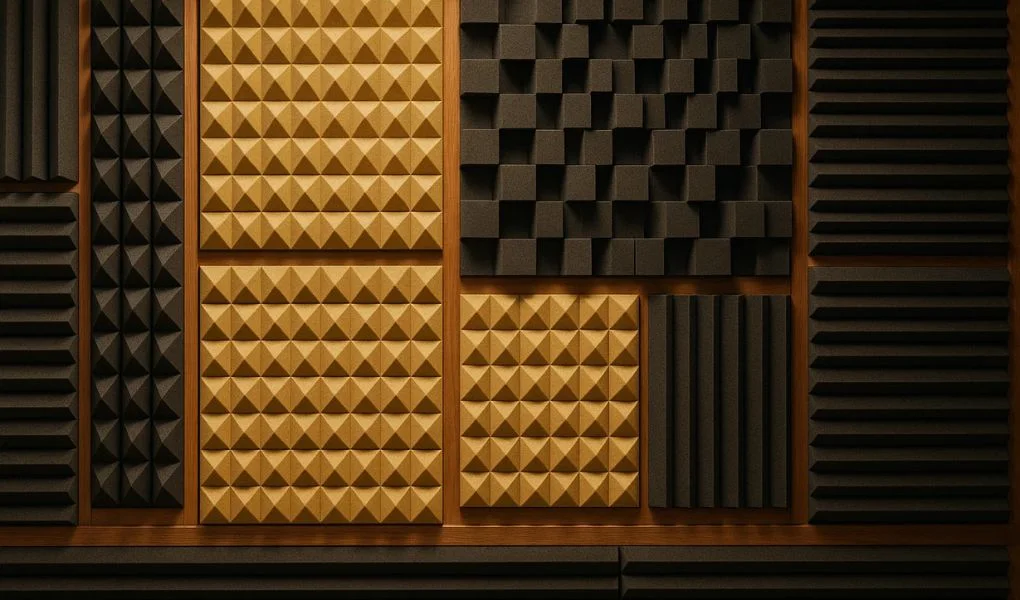
When investing in acoustic panels, whether for a recording studio, office, home theater, or industrial space, quality matters. Poor-quality panels may not effectively absorb or block sound, which defeats their purpose and wastes your budget. But how do you know if the panels you’re getting are truly up to the mark? If you’re sourcing from acoustic panels suppliers in UAE, it’s important to understand what defines panel quality and how to verify it before making a purchase.

Understanding Acoustic Panel Functionality
Before diving into verification methods, it’s essential to understand what acoustic panels are designed to do:
- Absorb sound to reduce echo and reverb.
- Improve sound clarity in a space.
- Control noise transmission between rooms or external environments.
High-quality panels will perform these functions effectively. The verification process begins by identifying the right metrics and testing methods to assess performance.
Check the NRC Rating (Noise Reduction Coefficient)
The NRC rating is a standardized measure of how much sound a material can absorb. Ratings range from 0 (no absorption) to 1 (total absorption).
- A panel with an NRC of 0.8 or higher is generally considered excellent.
- NRC values should be lab-tested and certified, not just marketing claims.
- Ask your acoustic panels suppliers to provide documentation or lab results that confirm these ratings.
Inspect the Core Material
The core of an acoustic panel determines its sound-absorbing properties. Common materials include:
- Fiberglass
- Mineral wool (Rockwool)
- Acoustic foam
- Polyester fiber
High-density materials (typically 48-100 kg/m³ for fiberglass) tend to perform better. Ask your supplier to specify the material used and its density. Some low-cost panels may use substandard cores that deteriorate over time.
Ask for Fire Safety Certifications
Quality acoustic panels should not only provide sound absorption but also meet safety standards—especially in commercial or public buildings.
- Request fire-retardant ratings like Class A (ASTM E84) or Euroclass B or C.
- Ensure the panels have been tested by recognized safety labs.
- Acoustic panels suppliers catering to business and government sectors typically have panels with certified fire performance.
Examine the Fabric Finish and Build Quality
A high-quality acoustic panel should look as good as it performs. Here’s what to look for:
- Tightly woven, breathable fabric that allows sound to pass through to the core.
- No fraying or loose stitching at the edges.
- Smooth, even surface with a professional finish.
Fabric that’s too thick or plastic-like may block sound rather than allow it through, reducing effectiveness.
Check for ISO or Industry Certifications
Reputable manufacturers and suppliers will often have their products tested and certified by international bodies. Look for:
- ISO 354: Size of sound absorption in a reverberation room.
- ISO 11654: Classification of sound absorbers.
- UL94: Flammability rating for plastics and foams.
- CE Marking (for European compliance)
These certifications specify that the products have undergone strict testing and meet high international standards.
Request Real-World Test Data or Case Studies
While lab results are essential, it’s also valuable to see how the panels perform in real spaces. Ask your supplier for:
- Case studies or installation reports
- Client testimonials
- Before-and-after acoustic measurements
Top acoustic panels suppliers often showcase their successful projects in commercial, hospitality, and residential sectors.
Seek Professional Acoustic Consultation
Verifying the quality of panels isn’t always a DIY task. Consider consulting with an acoustics expert or a supplier that offers consulting services. They can:
- Conduct acoustic analysis of your space.
- Recommend the best panel placement and density.
- Verify if the chosen products meet your project’s specific acoustic goals.
Evaluate the Supplier’s Reputation
Finally, the reliability of your acoustic panel supplier plays a huge role in ensuring quality. Do your due diligence:
- Check Google reviews, social media feedback, and testimonials.
- Visit their showroom or facility if available.
- Assess their industry experience and partnerships.
Established acoustic panels suppliers are more likely to provide consistent product quality and professional support.

In Conclusion
Choosing the right acoustic panels isn’t just about aesthetics—it’s about performance, safety, and long-term value. By evaluating NRC ratings, material specs, certifications, and supplier reputation, you can confidently select high-quality panels that meet your acoustic needs.
For expertly crafted, tested, and performance-verified solutions, DBZ stands out among acoustic panels suppliers in UAE—delivering top-notch acoustical consulting and product excellence across residential, commercial, and industrial sectors.


