

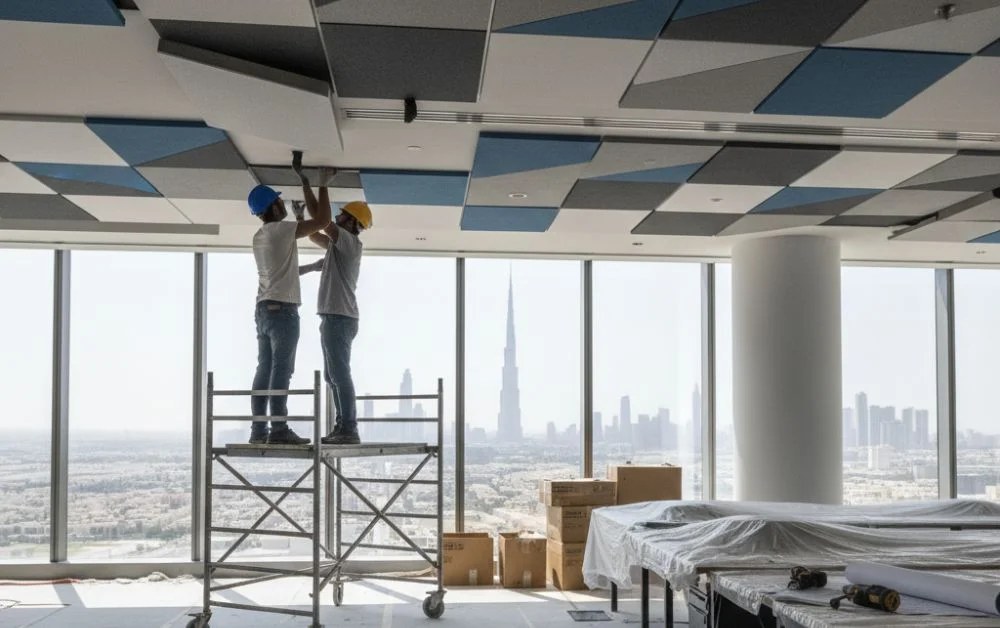
Dubai’s rapidly evolving skyline isn’t just about stunning architecture and innovative engineering—it’s also about creating spaces where people can work, live, and thrive without the constant disruption of unwanted noise. Building acoustic Dubai has become a critical consideration for developers, architects, and property owners who understand that superior sound management directly impacts property values, tenant satisfaction, and overall quality of life.
The emirate’s unique urban challenges, from bustling commercial districts to high-density residential areas, make acoustic design more crucial than ever. With construction costs averaging 15-20% higher when proper acoustic solutions are implemented from the start, many Dubai-based projects are discovering that investing in sound control during the design phase saves significant expenses compared to retrofitting existing buildings.
Modern acoustic engineering in Dubai combines traditional sound control principles with cutting-edge technology, creating environments where noise pollution doesn’t compromise comfort or productivity. Companies like DBZ have pioneered innovative approaches to acoustic design that address Dubai’s unique urban challenges. Whether you’re planning a luxury residential tower in Downtown Dubai or a corporate headquarters in DIFC, understanding acoustic fundamentals can transform your space from merely functional to exceptionally livable.
The Basics of Building Acoustics
Sound travels through air as pressure waves, and understanding this fundamental principle is essential for effective building acoustic Dubai implementations. When sound waves encounter surfaces, they can be absorbed, reflected, or transmitted through materials, which directly affects how we experience noise within built environments.
Acoustic measurement uses decibels (dB) to quantify sound intensity, with normal conversation registering around 60 dB and heavy traffic reaching 80-85 dB. Dubai’s urban environment regularly exposes buildings to sound levels between 65-75 dB during peak hours, making proper acoustic design crucial for maintaining comfortable indoor conditions.

The concept of Sound Transmission Class (STC) ratings helps building professionals in Dubai select appropriate materials and assemblies. Higher STC ratings indicate better sound isolation, with residential spaces typically requiring STC 50+ ratings for walls between units and commercial spaces often needing STC 45+ for office partitions.
Reverberation time, measured in seconds, determines how long sound persists in a space after the source stops. Dubai’s modern glass and concrete structures naturally create longer reverberation times, requiring strategic acoustic treatments to achieve optimal speech intelligibility and comfort levels.
Importance of Acoustic Design
Property values in Dubai’s premium developments can increase by 8-12% when superior acoustic design is implemented, according to recent real estate studies. Tenants consistently rate noise control as one of their top three concerns when selecting residential or commercial spaces, making building acoustic Dubai a competitive advantage rather than an optional upgrade.
Workplace productivity research demonstrates that employees in acoustically optimized offices show 15% higher concentration levels and 25% fewer stress-related symptoms compared to those in poorly designed sound environments. For Dubai’s knowledge economy, this translates to measurable business benefits and improved talent retention.

Health impacts of poor acoustic design extend beyond simple annoyance. Chronic noise exposure above 55 dB can disrupt sleep patterns, increase cardiovascular stress, and reduce cognitive performance—particularly concerning in Dubai’s 24/7 urban environment where external noise sources rarely diminish.
Regulatory compliance adds another layer of importance, as Dubai Municipality’s building codes increasingly emphasize acoustic performance standards. New developments must demonstrate compliance with specific noise criteria, and retrofitting existing buildings to meet these standards typically costs 3-5 times more than incorporating solutions during initial construction.
Types of Acoustic Design Solutions
Absorption solutions form the foundation of most building acoustic Dubai strategies, utilizing materials like acoustic panels, ceiling tiles, and specialized insulation to reduce sound reflection and control reverberation. Fiber-based absorbers work effectively across broad frequency ranges, while foam treatments target specific problematic frequencies common in Dubai’s urban environment.
Isolation techniques prevent sound transmission between spaces through strategic use of mass, decoupling, and air gaps. Double-wall assemblies with staggered studs achieve superior performance compared to single-wall systems, particularly important for Dubai’s high-density developments where privacy between units is paramount.
| Solution Type | Frequency Range | Typical Applications | Performance Rating |
| Fiber Absorption | 250-4000 Hz | Offices, restaurants | NRC 0.85-0.95 |
| Mass Isolation | 125-2000 Hz | Residential walls | STC 50-65 |
| Resonant Absorbers | 63-250 Hz | Auditoriums, studios | NRC 0.70-0.90 |
| Diffusion Systems | 500-8000 Hz | Performance spaces | Variable |
Vibration control addresses structure-borne sound transmission through specialized mounts, floating floors, and resilient connections. Dubai’s dense urban environment creates numerous vibration sources, from metro systems to construction activity, making isolation systems essential for maintaining acoustic comfort.
Active noise control represents the cutting edge of acoustic technology, using electronic systems to cancel unwanted sounds in real-time. DBZ has successfully implemented active noise control systems in several Dubai high-rise projects, demonstrating how advanced technology can address low-frequency noise that traditional materials struggle to control. While more expensive than passive solutions, active systems excel in addressing persistent urban noise sources.
You can also read this:- Acoustic Testing Dubai: Your Complete Guide to Professional Sound Analysis Services in the UAE
Key Factors in Acoustic Design
Material selection significantly influences acoustic performance and long-term maintenance costs in Dubai’s harsh climate. High-temperature, humidity-resistant acoustic materials maintain their performance characteristics better than standard products, though initial costs may be 20-30% higher.
Spatial geometry affects how sound behaves within rooms and between spaces. Dubai’s preference for open-plan designs creates unique acoustic challenges, requiring careful attention to sight lines, ceiling heights, and surface angles to prevent unwanted sound focusing or dead zones.

HVAC integration demands special consideration, as mechanical systems can either support or undermine acoustic goals. Properly designed ductwork, equipment selection, and installation techniques prevent HVAC systems from becoming noise sources while maintaining Dubai’s essential climate control requirements.
Building orientation and envelope design create the first line of defense against external noise sources. Strategic window placement, balcony configurations, and facade treatments can reduce traffic and construction noise by 10-15 dB before sound enters interior spaces.
Future flexibility considerations ensure that acoustic systems can adapt to changing use patterns without major reconstruction. Modular acoustic solutions and accessible installation methods support Dubai’s rapidly evolving commercial and residential markets.
Common Applications of Building Acoustic Design
Residential developments across Dubai increasingly prioritize acoustic comfort as a key differentiator. Luxury towers in areas like Dubai Marina and JLT implement comprehensive acoustic packages including impact isolation, airborne sound control, and mechanical noise management to justify premium pricing and maintain high occupancy rates.
Commercial office spaces require acoustic design that balances privacy with collaboration needs. Open-plan environments benefit from strategic acoustic zoning using a combination of absorption, masking, and spatial planning to create productive work environments without complete sound isolation. DBZ’s recent implementation in a major DIFC office tower showcased how properly designed acoustic zones can increase productivity by 18% while maintaining the collaborative atmosphere modern businesses require.

Hospitality and retail applications focus on creating immersive experiences while managing noise spill between adjacent spaces. Dubai’s entertainment districts require sophisticated acoustic engineering to prevent conflicts between venues while maintaining each establishment’s unique acoustic signature.
Healthcare facilities demand exceptional acoustic performance to support patient recovery and staff communication. Dubai’s growing medical tourism sector drives investment in acoustic technologies that create healing environments while accommodating complex medical equipment and high traffic volumes.
Educational institutions benefit from acoustic design that enhances learning outcomes through improved speech clarity and reduced distractions. Studies show that students in acoustically optimized classrooms demonstrate 15% better comprehension rates and reduced teacher vocal strain.
Building Acoustic Design Trends
Smart acoustic systems integrate with building automation platforms to dynamically adjust sound management based on occupancy, activity levels, and external conditions. Dubai’s smart city initiatives create opportunities for acoustic systems that learn and adapt to user preferences automatically. DBZ has pioneered IoT-enabled acoustic monitoring systems that provide real-time performance data and predictive maintenance alerts, helping facility managers optimize acoustic environments while reducing operational costs.
Sustainable acoustic materials gain popularity as Dubai pursues its Net Zero 2050 goals. Recycled and bio-based acoustic products offer environmental benefits while maintaining performance standards, though initial costs may be 10-15% higher than conventional alternatives.

Biophilic acoustic design incorporates natural sound elements and organic material aesthetics to create more comfortable environments. Water features, natural ventilation, and plant-based acoustic treatments support Dubai’s emphasis on wellness-focused architecture.
Wireless acoustic monitoring enables real-time performance tracking and predictive maintenance of acoustic systems. Internet-connected sensors provide data on acoustic performance, allowing facility managers to optimize settings and identify maintenance needs before problems affect occupants.
Modular acoustic solutions offer flexibility for Dubai’s rapidly changing commercial landscape. Reconfigurable systems support agile workplace concepts and allow tenants to customize acoustic environments without permanent modifications to base building infrastructure.
Challenges in Acoustic Design
Climate considerations present unique challenges for building acoustic Dubai projects. Extreme temperatures, humidity fluctuations, and sand exposure can degrade acoustic materials faster than in temperate climates, requiring material selection and maintenance strategies adapted to local conditions.
Regulatory navigation becomes complex when projects involve multiple authorities and international design teams. Coordination between Dubai Municipality requirements, developer standards, and international acoustic consultants requires careful project management to avoid costly delays or rework.

Budget constraints often force compromises between acoustic performance and project economics. Value engineering exercises must balance long-term tenant satisfaction with construction costs, particularly challenging in Dubai’s competitive real estate market where margins pressure every decision.
Integration timing creates coordination challenges when acoustic considerations aren’t incorporated early in design phases. Retrofitting acoustic solutions during construction or after occupancy typically costs 200-400% more than integrated design approaches, making early planning crucial for project success. DBZ’s integrated design methodology has helped Dubai developers save an average of 35% on acoustic implementation costs by involving acoustic engineers during initial architectural planning phases.
Performance verification requires specialized expertise that may not be readily available locally. Many Dubai projects rely on international acoustic consultants for testing and commissioning, adding complexity to project schedules and requiring careful coordination with local contractors.
Final Thoughts
Building acoustic Dubai represents far more than regulatory compliance or tenant comfort—it’s about creating environments where people can truly thrive in one of the world’s most dynamic urban settings. The investment in proper acoustic design pays dividends through higher property values, improved tenant satisfaction, and reduced long-term maintenance costs.
Success in Dubai’s acoustic design market requires understanding the unique intersection of extreme climate conditions, diverse architectural styles, and rapidly evolving user expectations. Projects that embrace comprehensive acoustic strategies from initial planning through occupancy consistently outperform those that treat sound control as an afterthought.
The future of acoustic design in Dubai lies in integrated, intelligent systems that adapt to changing conditions while maintaining optimal performance throughout the building lifecycle. As the emirate continues its transformation into a global center for innovation and quality of life, acoustic excellence will remain a defining characteristic of truly world-class developments.
Ready to enhance your Dubai project with superior acoustic design? DBZ‘s certified acoustic engineers offer comprehensive assessments and innovative solutions tailored to Dubai’s unique environmental challenges. Contact us today to discover how proper acoustic planning can transform your space into a competitive advantage and ensure long-term tenant satisfaction.
Frequently Asked Questions
What are the typical costs for Building Acoustics design in Dubai buildings?
Acoustic design typically adds 2-4% to total construction costs for residential projects and 3-6% for commercial developments in Dubai. However, incorporating acoustic solutions during initial design phases costs 60-70% less than retrofitting existing buildings, making early planning essential for budget control.
How do Dubai’s climate conditions affect acoustic material performance?
Dubai’s extreme heat, humidity, and sand exposure can reduce acoustic material lifespan by 20-30% compared to temperate climates. Selecting materials specifically rated for high-temperature, high-humidity environments ensures long-term performance and reduces maintenance costs over the building lifecycle.
What acoustic standards apply to new construction in Dubai?
Dubai Municipality requires residential developments to achieve minimum STC 50 ratings between units and limit background noise levels to 45 dB during nighttime hours. Commercial developments must demonstrate compliance with specific acoustic criteria based on building type and location within the emirate.
Can existing Dubai buildings be upgraded with modern acoustic solutions?
Yes, but retrofitting typically costs 3-5 times more than integrated design approaches. DBZ specializes in acoustic retrofitting solutions that minimize disruption to occupied spaces while achieving significant performance improvements. Common upgrade strategies include adding acoustic treatments to existing surfaces, upgrading HVAC systems, and installing sound masking systems without major structural modifications.
How long does acoustic design implementation take for Dubai projects?
Acoustic design integration adds 2-4 weeks to typical project schedules when incorporated during planning phases. Retrofit projects require 4-8 weeks depending on scope and complexity, with minimal disruption to occupied spaces when properly planned and executed by experienced contractors.
What maintenance is required for acoustic systems in Dubai’s environment?
Regular inspection every 6-12 months helps identify potential issues before they affect performance. Cleaning protocols adapted to Dubai’s dust conditions, along with periodic performance testing, ensure acoustic systems maintain their effectiveness throughout their 15-20 year typical service life.


