

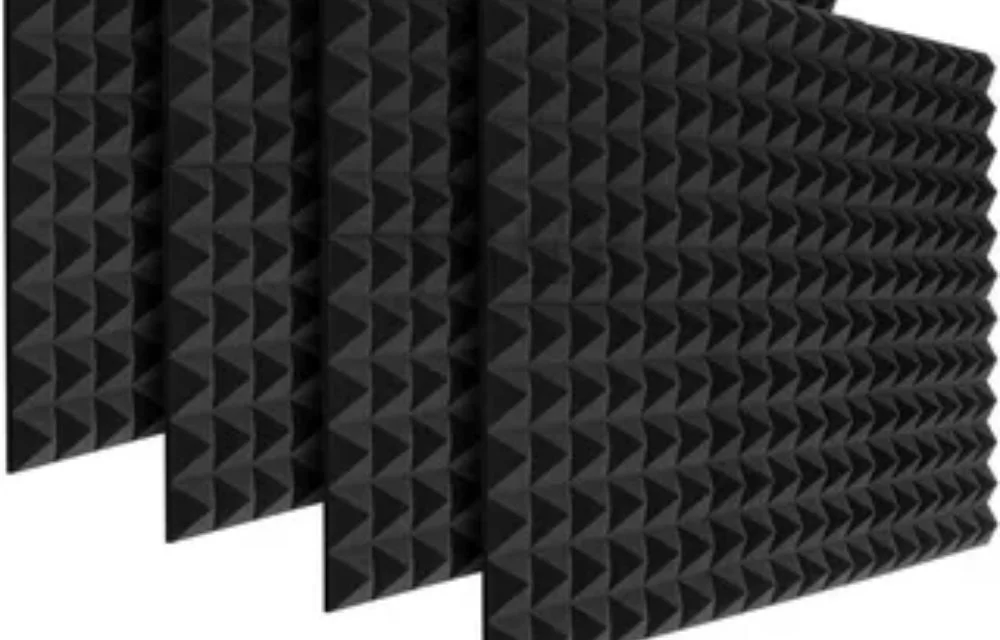
In today’s noisy world—whether it’s traffic outside your window, noisy neighbors, or internal office sounds—achieving a quieter space has become a necessity. Soundproofing solutions are now widely used in homes, studios, offices, and even industrial setups to minimize unwanted noise and echo. Among these, soundproofing acoustic sheets are one of the most effective and versatile materials.
But how do you ensure that you’re choosing the right ones for your specific needs? Not all acoustic sheets are created equal. Let’s explore the key reasons you should consider before purchasing these sheets.

-
What Are Soundproofing Acoustic Sheets?
These sheets are specialized materials designed to block or absorb sound. They are often made from dense materials like mass-loaded vinyl, rubber, foam composites, or fiberglass. These sheets can be useful to walls, ceilings, doors, and even machinery to prevent noise transmission or reduce echoes within a room.
They are especially useful in:
- Recording studios
- Home theaters
- Offices and meeting rooms
- Residential buildings
- Factories and industrial zones
Understanding the purpose behind using these sheets will guide you in picking the most suitable product.
-
Key Factors to Consider Before Buying Sheets
-
Purpose of Soundproofing
Before anything else, identify why you need soundproofing. Are you trying to:
- Block external noise?
- Reduce echo within a room?
- Prevent sound from escaping a space?
If your goal is to block noise (soundproofing), you’ll need dense and heavy sheets. If your goal is to control internal sound (sound absorption), then more porous materials like foam may be sufficient.
-
Material Type
Different materials offer different levels of soundproofing and sound absorption. Some common types include:
- Mass Loaded Vinyl (MLV): Great for blocking sound due to its density and flexibility.
- Acoustic Foam: Good for absorbing internal sound and reducing echo.
- Fiberglass Panels: Highly effective for absorption in commercial and studio spaces.
- Composite Sheets: Often combine a barrier layer with foam for dual-functionality.
Choose a material that aligns with your noise control needs and budget.
-
Noise Reduction Rating (NRR) or Sound Transmission Class (STC)
Look at the NRR or STC rating of the sheets. These numbers indicate how much sound the material can block or absorb. A higher rating means better soundproofing performance.
For example:
- NRR 20–25 is suitable for residential use.
- STC 30–40 is recommended for studios or professional spaces.
-
Thickness and Density
Generally, thicker and denser sheets provide better sound insulation. However, they may also be more difficult to install or require structural support. Consider the space where you plan to install the sheets—walls, ceilings, doors, etc.—and ensure they can accommodate the material’s weight and thickness.
-
Ease of Installation
Some sheets are peel-and-stick, while others may need adhesives, screws, or frames. Choose a product that matches your installation capabilities:
- DIY-friendly sheets for home use
- Professional-grade solutions for commercial setups
Also, look for flexibility in cutting and fitting around corners or irregular surfaces.
-
Fire Resistance and Safety Standards
In any enclosed environment, especially offices, studios, or residential buildings, safety matters. Always check if the product complies with fire safety standards. Fire-retardant soundproofing sheets are a safer choice, especially for long-term installations.
-
Durability and Maintenance
You want a soundproofing solution that lasts. High-quality sheets will resist wear and tear, moisture, and temperature changes. Consider materials that are calm to clean & maintain, especially in industrial or outdoor settings.
-
Aesthetic Appeal
While function is key, aesthetics shouldn’t be overlooked. These sheets come in various colors, textures, and designs. For spaces like home studios, offices, or meeting rooms, choose sheets that blend with your interior decor or even enhance it.
-
Budget and Cost-Effectiveness
Soundproofing is an investment, but it should fit within your budget. Compare products not just on price, but on value:
- Does the sheet offer dual functionality (blocking + absorbing)?
- Is it reusable or repositionable?
- How much area does it cover per sheet?
Buying cheaper alternatives might cost more in the long run if they fail to meet performance expectations.
-
Common Mistakes to Avoid
- Using the incorrect material for the wrong purpose (e.g., foam to block noise)
- Ignoring installation needs and tools required
- Overlooking safety certifications
- Not calculating proper coverage area and buying insufficient quantity
- Skipping product reviews or technical specifications
Being aware of these pitfalls helps you make a more informed purchase.

In Conclusion
Choosing the right sheets involves more than just picking the thickest material. It requires a careful evaluation of your space, your soundproofing goals, the material properties, and your long-term expectations. Whether you’re aiming for a peaceful home, a distraction-free office, or a studio with perfect acoustics, taking the time to choose the right sheets can make a world of difference.
For expertly designed and tested sheets in the UAE, DBZ offers industry-leading solutions tailored to your space and sound control needs.


