

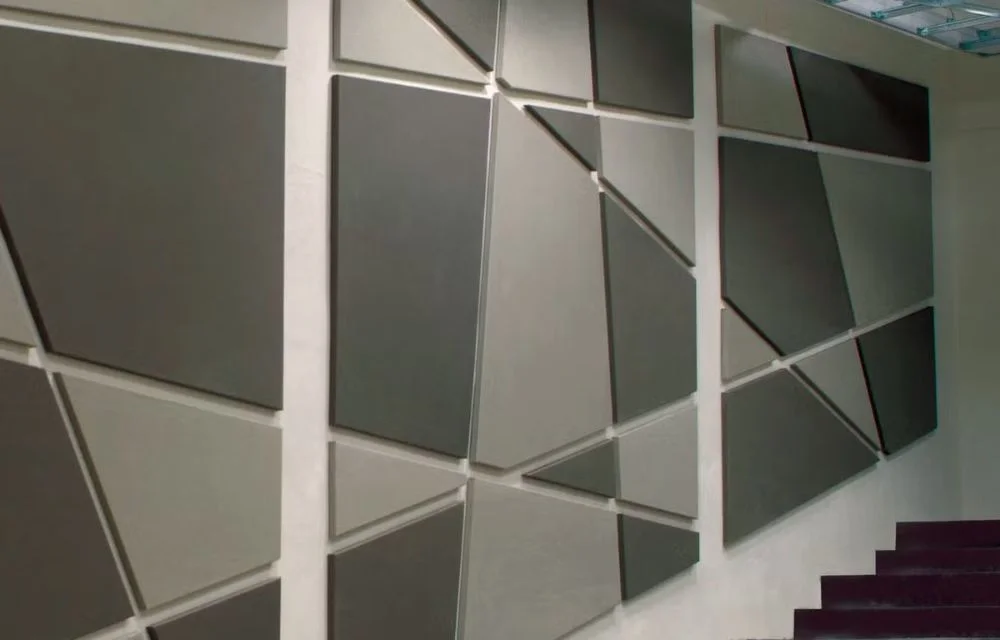
Creating the perfect recording environment is not just about using high-end microphones or audio interfaces—acoustic treatment is equally, if not more, important. Whether you’re building a professional recording studio or setting up a home-based workspace, using the right acoustic panels UAE can significantly elevate sound quality. But how do you know when acoustic panels are truly necessary for your studio setup?
In this blog, we’ll explore when and why acoustic panels are critical, what types to use, and how to recognize the signs that your space needs sound treatment.

-
What Are Acoustic Panels?
Acoustic panels are specialized materials designed to absorb sound waves and control unwanted reflections, echoes, and reverberation in enclosed spaces. In recording studios, they help achieve accurate sound by reducing noise interference and improving audio clarity.
Typically made from foam, fabric-wrapped fiberglass, or perforated wood, these panels are installed on walls, ceilings, and sometimes floors to manage how sound behaves in the room.
-
Why Acoustic Treatment Is Crucial in a Recording Studio
In any recording environment, sound reflections from untreated surfaces can distort the clarity of audio. This leads to inaccurate monitoring, poor mixing decisions, and subpar final recordings. Acoustic panels help:
- Minimize flutter echoes and standing waves
- Reduce reverberation for cleaner recordings
- Create a neutral listening environment
- Enhance voice and instrument clarity
Without acoustic treatment, even the best audio gear can fail to deliver professional results.
-
Signs You Need Acoustic Panels in Your Studio
-
Echo and Reverberation Problems
If you clap your hands or speak loudly and hear an echo or “ringing” in the room, it’s a clear sign of excessive reverberation. This is especially problematic when recording vocals or acoustic instruments.
-
Inaccurate Mixes
Are your mixes sounding great in the studio but falling flat elsewhere? This usually happens when your studio acoustics are interfering with what you’re hearing during playback. Panels can correct this by absorbing unwanted reflections.
-
Room Has Bare Walls and Hard Surfaces
Rooms with minimal furniture, glass windows, or tiled floors tend to reflect sound waves. Installing acoustic panels on walls & ceilings helps absorb these reflections and reduce noise.
-
Difficulty Isolating Sound
If your recordings pick up noise from other parts of the room or sound “boxy,” then your space lacks proper isolation and diffusion. Acoustic panels help focus the sound and eliminate room tone issues.
-
When to Install Acoustic Panels in a Studio
-
During Studio Construction or Renovation
The best time to install acoustic panels is during the initial design or renovation of a studio. It allows for strategic placement and integration with the room’s aesthetics and functionality.
-
When Upgrading to Professional-Level Recording
If you’re moving from a hobbyist setup to a more professional environment, adding acoustic panels becomes essential. You need them to accurately hear what you’re recording and mixing.
-
When Adding New Equipment or Instruments
New gear may alter how sound interacts in the room. A high-end microphone or speaker system will expose flaws in your room acoustics that panels can help control.
-
When You’re Recording Vocals or Live Instruments
Vocal booths and instrument rooms benefit greatly from acoustic panels, as these recordings are sensitive to background noise, echo, and reflections.
-
Types of Acoustic Panels for Studios
-
Absorption Panels
Used to reduce echo and absorb mid-to-high frequencies. Ideal for vocal booths and walls behind monitors.
-
Bass Traps
These are thicker panels placed in corners to absorb low-frequency energy. Useful for managing bass buildup in small rooms.
-
Diffusers
Instead of absorbing sound, diffusers scatter it to create a balanced ambiance. Common in control rooms or mixing areas.
-
Ceiling Clouds
Suspended panels that absorb sound from above. Great for rooms with high ceilings or open layouts.
-
Strategic Placement for Maximum Effectiveness
- Behind the microphone: Prevents reflections from bouncing back into the mic.
- Behind monitors: Reduces early reflections that interfere with accurate listening.
- Corners: Ideal locations for bass traps to manage low-end resonance.
- Ceiling and side walls: Helps in controlling flutter echoes and reverb.
Proper placement is just as important as the quality of the panels themselves. A well-treated room doesn’t require covering every surface—strategic positioning can do the trick.
-
Benefits of Using Acoustic Panels
- Improved Recording Quality: Capture cleaner, more focused sound.
- Accurate Monitoring: Hear your mix as it truly is, without room interference.
- Professional Sound: Achieve a polished, studio-grade finish in your projects.
- Comfortable Working Environment: Reduced noise fatigue during long sessions.

In Conclusion
Whether you’re building a studio from scratch or refining an existing space, acoustic panels UAE are a non-negotiable part of the setup. They help you achieve accurate sound, better mixes, and more professional recordings by addressing room acoustics at their core. Recognizing when to implement them can save time, money, and countless re-mixes.
Looking for expertly crafted acoustic panels in the UAE? DBZ provides high-quality, performance-tested panels and soundproofing solutions tailored to meet your studio’s needs.


